
Breaking Into Mining: How to Build a Work Health and Safety Career on an Australian Mine Site
The ten tasks that fill a mine site safety week, the mistakes that trip new practitioners up, six roles with indicative pay, and five practical steps in.
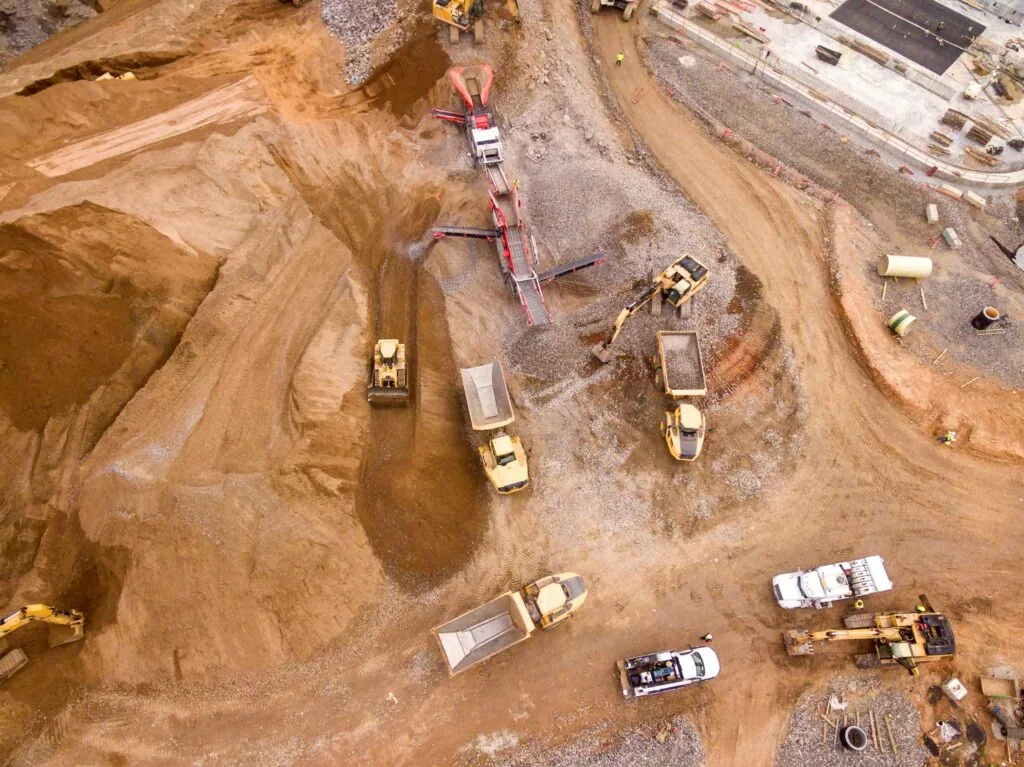
Mining does not forgive shortcuts. A missed inspection, a fatigued operator or a poorly ventilated heading can change lives in seconds. That is exactly why Australian mine sites run some of the most demanding safety systems in the country, and why competent work health and safety (WHS) people are in constant demand across the sector.
Mine safety in Australia is governed by more than the general WHS laws that cover offices and building sites. Every mining state layers on its own mining legislation, its own regulator and its own set of statutory appointments, with separate rules again for coal and for metalliferous operations. Anyone moving across from construction, manufacturing or logistics quickly learns that the risk assessments run deeper, the consultation is more formal and the technical detail steps up sharply.
Queensland's mining safety regulator publishes a long list of recognised hazards for the industry. Some of the most serious include:
- Coal workers' pneumoconiosis, commonly known as black lung
- Respirable crystalline silica
- Musculoskeletal disorders from manual tasks and vibration
- Ammonium nitrate and other explosives
- Work at heights
- Carcinogens, including diesel particulate matter
- Phosphine and other harmful gases
- Verbal, physical and sexual harassment
Professionals in this field do far more than enforce rules. They shape the culture that decides whether a worker speaks up about a hazard or quietly walks past it. That shift towards accountability, consultation and genuine ownership of risk is the single biggest change the industry has made in the past decade, and it is where a good safety practitioner earns their keep.
Below are the ten tasks that fill most of a mine site safety professional's week, the mistakes that trip people up early, the career paths on offer and five practical steps to get there.
What the Job Actually Looks Like
1. Comprehensive Planning
In both surface and underground operations, safety is designed in before the first machine moves. Time spent building a solid plan is time you do not spend managing an incident later.
Good planning starts with a structured risk assessment and works down the hierarchy of control. Ask whether the hazard can be eliminated first, then whether the task can be substituted, isolated or engineered out. Administrative controls and personal protective equipment sit at the bottom of that list for a reason, because they rely on people behaving perfectly every single time.
Draw on multiple skill sets when you build the plan. Geotechnical engineers, ventilation officers, electrical supervisors, operators and maintainers all see a different part of the risk picture. Simulation and modelling software helps you test scenarios before committing to them, particularly for blast design, ground support and traffic layouts.
Larger sites formalise this through principal hazard management plans, which set out how the site controls its most serious risks along with trigger points and the response required when conditions change. Keep these documents alive. A plan that sits in a folder and never changes with the pit is worse than no plan at all, because it gives everyone false confidence.
2. Maintain Thorough Standards
Inspections and compliance checks build the backbone of a safety system. Run a mix of scheduled audits and unannounced walks, because the second type tells you what actually happens when you are not watching.
The value is not in finding faults, it is in closing them out. Every corrective action needs a named owner, a due date and verification that the fix worked. Track how long actions stay open and report that number to management. Overdue actions are one of the clearest early warnings that a site is drifting.
Verify your critical controls separately from general compliance. A critical control is one that, on its own, stops a fatality. Ground support, isolation procedures, guarding and ventilation all sit in that category, and each deserves regular field verification rather than a desktop tick.
Consultation is a legal duty, not a courtesy. Work with health and safety representatives, invite input from crews on what is not working, and act visibly on at least some of it. When workers see a suggestion turn into a change, hazard reporting climbs. When they see nothing happen, it stops.
3. Enforce Personal Protective Equipment
Every physically demanding job has a PPE standard, and mining sets a high one. Full protection guards against impact, chemical exposure, extreme temperature and the dust that causes long term respiratory disease.
Durable workwear and safety boots with steel toe caps are the baseline. High visibility clothing, eye protection, hearing protection and helmets suited to the specific task add further cover, which matters underground where rock falls remain a common cause of serious injury. All of it should be put on before entering a hazardous area, not somewhere along the way.
Australian Standards set the benchmark for each item, covering footwear, helmets, eye protection, high visibility garments and respiratory protection. Buy to those standards and check that what arrives on site matches what was ordered.
Respiratory protection deserves particular attention. Tight fitting respirators only work when they seal, so fit testing and clean shaven use are not optional extras. The workplace exposure standard for respirable crystalline silica was tightened in recent years, and dust controls such as water suppression, enclosed cabins with filtered air and real time monitoring do far more for worker health than a mask alone. Sizing matters too. PPE designed only for an average male frame leaves a large part of the workforce poorly protected.
4. Regular Equipment Upkeep
Left unchecked, critical components such as valves, hoses and brakes fail. Worn or faulty equipment is one of the most predictable hazards on any site, and one of the easiest to control with disciplined maintenance.
Start of shift checks are the frontline. Make the process quick, specific and honest, and make sure defects raised by operators actually get actioned. If a fault report disappears into a system with no feedback, operators stop filling in the form.
Faulty plant must be tagged out and isolated until it is repaired, with energy isolation verified before anyone works on it. Build the site around planned maintenance rather than breakdown repairs, because planned work happens in daylight with the right tools and a proper risk assessment, while breakdowns happen at 2am in the rain.
Cleaning and lubrication matter more than people expect. Built up dirt, grease and dust affect performance, hide developing cracks and, around hot surfaces, create fire risk. Keep the records, because maintenance history is the first thing a regulator asks for after an incident.
5. Improve Visibility on Site
From haul roads to underground headings, visibility drives collision risk. Underground lighting supports visual inspection of the face and ground conditions, particularly before and after blasting. Cap lamps and fixed lighting should be rated for wet and dusty conditions so a failure does not leave a crew in the dark.
Above ground, the risk is mobile plant. Light vehicles are small, quiet and easy to lose against a haul truck's blind spots, some of which extend many metres. Working headlights, reflective markings, buggy whips and flashing beacons all help, and proximity detection systems add another layer on larger fleets.
Back the technology with rules that people follow. Separate light and heavy vehicle routes where you can, park up clear of operating plant, and require positive radio contact and an acknowledgement before approaching a machine. Never assume the operator has seen you. A traffic management plan that reflects the current pit layout, and gets updated when that layout changes, prevents more harm than almost any other single control.
6. Safe Lifting and Manual Task Design
Confined workspaces force awkward postures, and the physical demands of mining amplify the strain. Overhead work, repetitive movements and heavy components all contribute to musculoskeletal injury, which remains one of the highest volume injury types in the sector.
Design the task before you train the person. Lifting aids, trolleys, jib cranes, adjustable stands and better component access remove far more risk than a lifting technique course. Where manual handling cannot be avoided, use team lifts, rotate crews through the heaviest jobs and build in recovery time.
Encourage early reporting of aches and niggles. Most serious soft tissue injuries build gradually and become expensive precisely because people push through until something tears. A quiet word and a task adjustment at week one beats a workers compensation claim at week twelve.
7. Manage Vibration and Noise
Strategic drilling and blasting techniques reduce ground vibration and overpressure. Buffer holes soften the intensity of sound and shaking, and millisecond delays between charges spread the energy release rather than letting it arrive as one shock.
Blast mats and suppression supports absorb force, limit flyrock and help contain gas emissions. On the surface fleet, vibration is a daily exposure rather than an event. Whole body vibration from haul trucks and dozers is closely tied to haul road condition, so road maintenance and correct seat selection are safety controls, not just comfort measures. Hand arm vibration from rattle guns, jackhammers and grinders calls for tool rotation and low vibration equipment.
Noise control follows the same logic. Buy quiet where possible, enclose or isolate the source, then use hearing protection to cover what is left. Audiometric testing lets you spot hearing loss while it is still preventable, and the results tell you whether your controls are working.
8. Harsh Temperatures
Temperature extremes place real strain on the body. Depending on depth, commodity and location, a mine can run from freezing to punishing heat, and underground temperatures climb steadily the deeper you go once humidity is added to the mix.
Manage heat with a proper plan rather than good intentions. Acclimatise new starters gradually, adjust work and rest cycles as conditions rise, provide cool drinking water within easy reach and use shaded or air conditioned rest areas. Encourage steady hydration through the shift rather than a rush at smoko, and teach crews to recognise early warning signs in themselves and in each other.
Cold has its own risks on southern and high altitude sites, where reduced dexterity and slower reaction times cause incidents well before hypothermia becomes a factor. Layered clothing, dry gloves and warm break areas fix most of it.
9. Ventilate Harmful Gas
Mines naturally contain gases that can poison workers at high concentration, and several of them ignite under the right conditions. Methane, carbon monoxide, hydrogen sulphide, oxygen deficiency, diesel particulate matter and post blast fumes all need active management.
Know the symptoms. Headache, nausea, dizziness and shortness of breath from carbon monoxide exposure are easy to mistake for fatigue, which is exactly what makes early recognition so valuable. Personal gas detectors and fixed monitoring give you objective data, provided they are bump tested before use and calibrated on schedule. An uncalibrated detector is worse than none, because it is believed.
Ventilation systems move fresh air through the workings and dilute contaminants to safe levels. Auxiliary fans and ducting serve development headings, re entry times after blasting must be enforced rather than estimated, and any change to the ventilation circuit needs to be planned by someone who understands the whole network. Self rescuers should be carried, checked and practised with, not just issued.
10. Communication
Sharing the status of operations is vital. Immediate access to communication tools lets workers warn each other about unsafe ground, a change in conditions or an incident in progress.
Signage marks hazardous areas and clear labelling tells people how and when to use equipment. Back it with structured conversations. Start of shift meetings set the plan, toolbox talks unpack a specific risk, point of work risk assessments catch what changed in the last hour, and a disciplined shift handover stops knowledge disappearing with the crew that leaves.
Mobile phone coverage is unreliable or absent underground, so leaky feeder radio, hard wired phones and dedicated site channels remain the backbone. Keep radio protocol short and consistent so urgent traffic cuts through. Reporting runs upward too. Serious incidents are notifiable to the regulator, and the site that reports near misses openly is the site that fixes problems before they mature.
Common Mistakes to Avoid
Most new safety professionals do not fail on technical knowledge. They fail on the practical side of getting controls to stick.
- Writing procedures nobody can realistically follow. If a control adds twenty minutes to a task with no help, crews will work around it.
- Leaning on PPE and training as primary controls. Both sit at the bottom of the hierarchy and both depend on flawless human behaviour.
- Treating consultation as a signature exercise. Crews know the difference between being asked and being told.
- Letting corrective actions pile up. An open action register is a written record that the site knew about a hazard and did nothing.
- Measuring only lagging indicators. Injury counts tell you what already went wrong, not what is about to.
- Ignoring psychosocial risk. Fatigue, bullying, sexual harassment and the pressures of remote rosters are recognised hazards with real duties attached, and mining has had to confront that directly.
Career Paths and Earning Potential
Mining rewards safety expertise because the consequences of getting it wrong are so severe. The figures below are broadly indicative only and move with commodity prices, location, roster and employer, but they show the shape of the market.
Mining Supervisor
Oversees efficient operations and production targets, responds to issues and incidents, coordinates training for new and existing crew, and holds the line on safety and environmental compliance. Roughly $175,000 to $195,000.
Safety Manager or Consultant
Manages workplace hazards and risks, and develops programs that reduce chemical, physical and environmental exposure across the operation. Roughly $130,000 to $150,000.
Work Health and Safety Officer
Inspects equipment, evaluates work areas, enforces safe work practices including correct use of PPE, delivers training, identifies hazards and helps implement control measures. Roughly $100,000 to $123,000.
Occupational Hygienist
Identifies and investigates chemical, physical and biological exposures, runs monitoring programs and interprets results against exposure standards. Dust and diesel particulate work has made this one of the most sought after specialisations in mining. Roughly $100,000 to $150,000.
Risk Management Specialist
Develops the strategic framework and parameters a business uses to address its most significant health and safety threats, including critical control definition and assurance. Roughly $135,000 to $155,000.
Mine Inspector
A statutory position responsible for site inspections and investigations, identifying hazardous conditions, examining incidents and determining root causes. Roughly $140,000 to $200,000.
Work health and safety roles in mining sit well above the national average wage, and site based or fly in fly out positions usually carry allowances on top. Statutory roles come with formal competency requirements that vary by state, so check the specific criteria set by the regulator where you want to work. A qualification supports an application for those roles, it does not by itself grant an appointment or a licence.
Five Steps to Move Into Mining
1. Get the Right Qualifications
The right credentials speed up your entry considerably. A Certificate IV in Work Health and Safety is the common starting point, and a Diploma of Work Health and Safety suits anyone aiming at management or consulting. First aid and CPR are frequently required on top, and many roles expect a standard construction induction card as a minimum. Specialist positions in hygiene, ventilation or explosives carry their own training requirements, so work backwards from the job ads you actually want.
2. Build Practical Experience
Most employers do not insist on mining specific experience, but they do want relevant exposure to high risk work. Safety experience on construction sites, in heavy industry, in warehousing with mobile plant or in emergency services all transfers well. Traineeships, contractor roles and short term shutdown work are realistic ways in when permanent positions are scarce, and shutdowns in particular put you alongside a lot of risk in a short period.
3. Research Graduate Programs and Live Vacancies
Reading job ads carefully is free market research. It tells you which tickets appear again and again, which software the majors use and which specialisations are short of people. Graduate and entry level programs run by larger operators rotate you through several parts of the business, which is the fastest way to build a versatile skill set and work out which side of the industry suits you.
4. Prepare for Tough Questions
Interviews for mine site roles probe how you handle pressure and conflict. Expect questions about stopping a job that was running behind schedule, holding a standard with an experienced crew who disagreed with you, dealing with harassment or prejudice on site, and working inside a team under time pressure. Prepare specific examples with the situation, the action you took and the outcome. Vague answers about being safety focused do not land.
5. Build the Strength of Character the Work Demands
Mining is mentally demanding regardless of your role. Long rosters, remote locations and time away from family take a toll, and the work itself carries the weight of knowing that your decisions affect whether people go home. A strong support network, a realistic plan for staying connected while away, and honest use of the mental health resources available make the difference between a long career and a short one. Go in with your eyes open and the lifestyle is manageable. Go in unprepared and it is not.
About Techskill Academy
Techskill Academy (RTO 45055) delivers nationally recognised work health and safety qualifications 100 percent online, with the flexibility to study around shift work and rosters. If you already have two or more years of industry experience, ask about a free Skills Recognition assessment to see how much of your existing knowledge counts towards a qualification.
Ready to upskill?
Map a pathway that fits where you want to go next.