


Brisbane’s 2032 Olympic and Paralympic Games are already reshaping Australia’s construction landscape. While the opening ceremony is years away, the decisions driving today’s infrastructure, workforce planning, and skills development are already in motion. For the building industry, Brisbane 2032 is not just a sporting event – it represents a once-in-a-generation infrastructure pipeline.
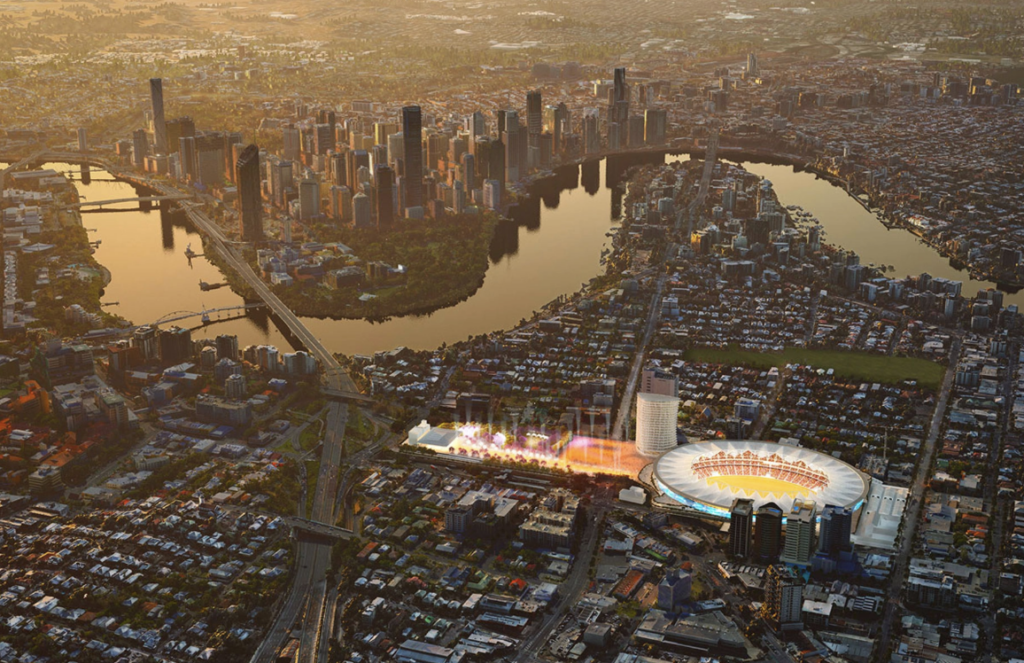
The Games have triggered one of the largest coordinated building programs in Australian history. More than A$7 billion has been committed by the Federal and Queensland governments, including a A$3.435 billion federal contribution, to deliver venues and supporting infrastructure. (Reuters – Government funding confirmation)
Key developments include:
-
- Victoria Park: A new 63,000-seat Olympic Stadium.
-
- Athlete Villages: Major residential precincts designed for post-Games housing.
-
- Transport & Mobility: Massive upgrades to ensure South East Queensland is “rail-ready.” (Reference: ABC News – Stadium, villages and transport overview)
These projects are designed for serve the state well into the 2040s. Rather than peaking suddenly, construction demand is expected to build steadily from 2026, creating a long-term pressure on labour and specialist skills. (Reference: Reuters – Long-term infrastructure and delivery timelines)
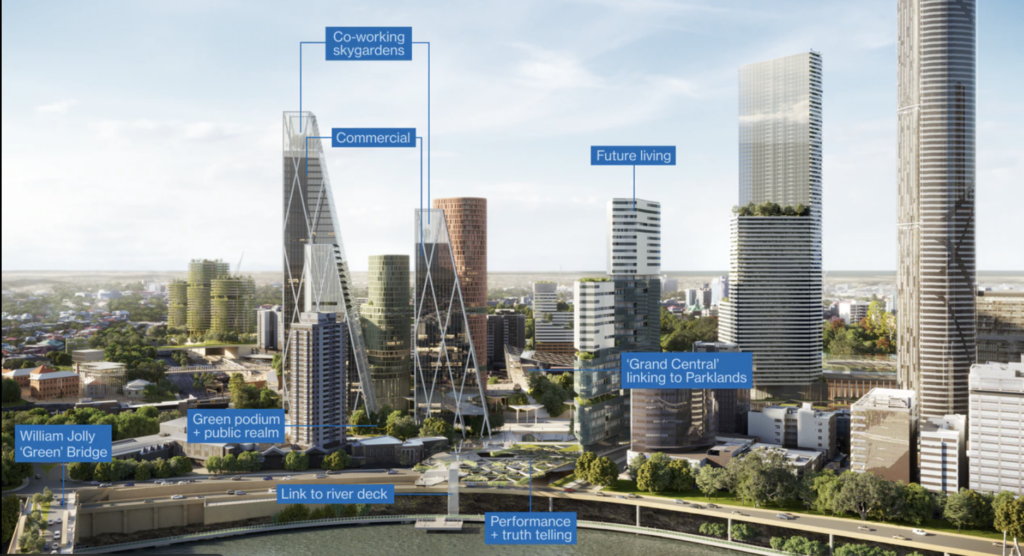
Transport and Rail: A Critical Piece of the Pipeline
Transport infrastructure is perhaps the most critical – and most stable piece of the puzzle. Unlike a stadium, which has a clear end date, rail and network resilience projects are part of a 20-year strategy.
This creates a massive opening for:
-
- Civil construction and rail-safety personnel.
-
- Electrical, signalling, and communications specialists.
-
- High-risk and live-environment operators.
The Bottom Line: Tradies entering the rail and civil sectors now aren’t just getting a “Games job” – they are securing a career that will last well beyond 2032. (Reference: ABC News – Transport and mobility planning)
Procurement, Supply Chains and Industry Participation
From a commercial perspective, Brisbane 2032 has opened up substantial procurement opportunities across construction, engineering, technology and professional services.
The official Brisbane 2032 procurement portal has been established to connect suppliers with Games-related opportunities, with early reporting indicating:
-
- Around 80% of supplier spending is directed to Australian businesses
-
- Approximately 44% of suppliers are small to medium enterprises (SMEs)
This emphasis on local participation is designed to ensure Olympic investment strengthens domestic capability rather than relying heavily on offshore providers. However, participation in these procurement opportunities comes with strict compliance, licensing and capability requirements, particularly for construction and trades-based businesses. (Reference: Pinsent Masons – Brisbane Olympics procurement portal)
Workforce Demand and Skills Pressure
While funding and projects are locked in, the construction workforce remains the biggest constraint.
Industry estimates suggest Queensland will face a shortfall of tens of thousands of construction workers during peak Olympic delivery years. Some forecasts place the gap at 30,000–50,000 workers, driven by:
-
- Concurrent infrastructure programs
-
- Housing construction demand
-
- Competition between public and private sector projects
This shortage is already influencing wages, subcontractor availability and project scheduling – and it is expected to intensify as Olympic timelines firm up. (Reference: ABC News – Queensland construction workforce shortages)
What This Means for Tradies and Construction Workers
This means getting yourself “Game-Ready” is essential! While much of the public discussion focuses on stadiums and mega projects, Brisbane 2032 presents a major opportunity for tradies and construction workers – particularly those prepared to upskill and meet the requirements of large, regulated projects.
Olympic-linked construction is not typical residential or small commercial work. These projects are delivered under government procurement frameworks, with higher expectations around safety, compliance and capability. (Reference: Pinsent Masons – Government procurement standards)
Getting Qualified for Bigger Projects
To move from residential “patch-and-repair” work to high-value Olympic contracts, tradies and workers increasingly need:
-
- Nationally recognised trade qualifications (Certificate III or IV)
-
- Construction White Cards and up-to-date safety training
-
- High-risk work licences (such as scaffolding, rigging, dogging or crane operation)
-
- Specialist certifications aligned with civil, rail and infrastructure projects
Rail and transport projects, in particular, require additional accreditation such as rail safety awareness, confined space training and live-environment competencies – creating a strong incentive for workers to broaden their skill sets.
To learn more about the qualifications required to Tier 1 and Tier 2 infrastructure projects, you may read more here: Career Progression Pathways for Tradies and Construction Workers
Licensing and Compliance: The Gatekeepers to Opportunity
For experienced tradies and small contractors, the Olympics also creates a pathway to larger contracts and higher-margin work – but only if licensing and compliance standards are met.
Winning work on government or Olympic-linked projects often requires:
-
- Appropriate QBCC licence levels
-
- Documented WHS systems
-
- Proven experience on regulated or large-scale sites
-
- Compliance with industrial relations and procurement standards
Those who invest early in upgrading licences, formalising their business practices and meeting compliance requirements are far better positioned to secure ongoing work as the pipeline ramps up. (Reference: Pinsent Masons – Procurement eligibility and compliance)
Long-Term Career Upside
The Brisbane 2032 build is not a short-term spike; it is part of a decade-long infrastructure cycle. Tradies who upskill now can benefit from:
-
- Higher pay rates
-
- Longer project durations
-
- Greater job security
-
- Opportunities to move into supervisory, specialist or leadership roles
Crucially, the qualifications and licences required for Olympic projects are portable, enabling workers to pursue major infrastructure roles across Australia long after the Games conclude.
Balancing Growth, Community and Legacy
Not all Olympic infrastructure proposals have been without controversy. Community consultation, environmental considerations and cultural heritage protections – particularly around Victoria Park, continue to shape project scope and delivery timelines.
These discussions reinforce the importance of thoughtful planning, skilled delivery and long-term thinking, ensuring that Olympic investment delivers enduring benefits rather than short-lived assets. (Reference: The Age – Stadium design and heritage considerations)
The Outlook for 2026 and Beyond
From 2026 onwards, Olympic-related construction activity is expected to accelerate sharply. For the construction industry, the challenge will be balancing:
-
- Workforce supply
-
- Skills development
-
- Project delivery speed
-
- Cost and quality control
For tradies and construction workers, the message is clear: those who prepare early will benefit most. Investing in qualifications, licences and specialist training now is the most effective way to unlock access to larger projects, stronger income potential and long-term career growth as Brisbane 2032 moves from planning to peak delivery.