Landscape Construction in Australia: Skills, Licensing and Career Paths
Hardscaping, drainage, retaining walls and licensing state by state: what landscape construction actually demands, where jobs fail, and the five steps into the trade.
Landscape construction is about making land work. You reshape it, drain it, build on it and plant it, turning a block that does not function into one that does.
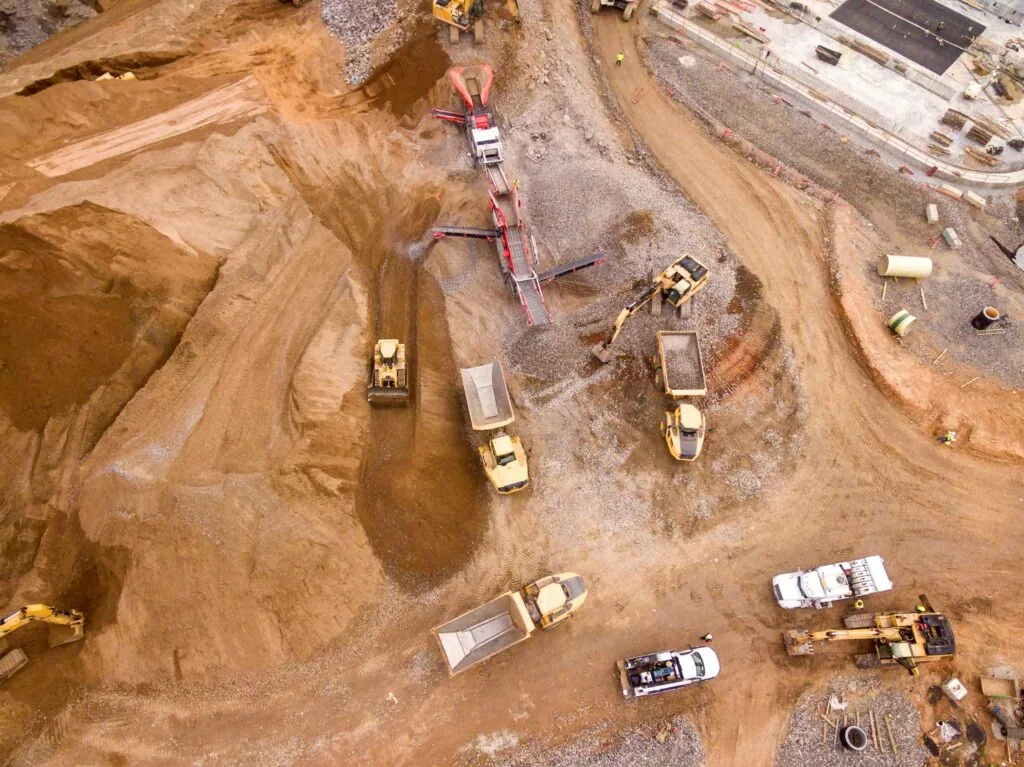
The work covers levelling and excavation, drainage, structural features, planting and removing whatever was there before. It sits where trade skill meets horticulture, which is what makes it harder than it looks from the street.
What the Work Involves
Design and Planning
Projects start with a plan. That means measured drawings, levels, material selections, planting schedules and a sensible construction sequence. Get the sequence wrong and you will be barrowing material across finished paving.
Hardscaping
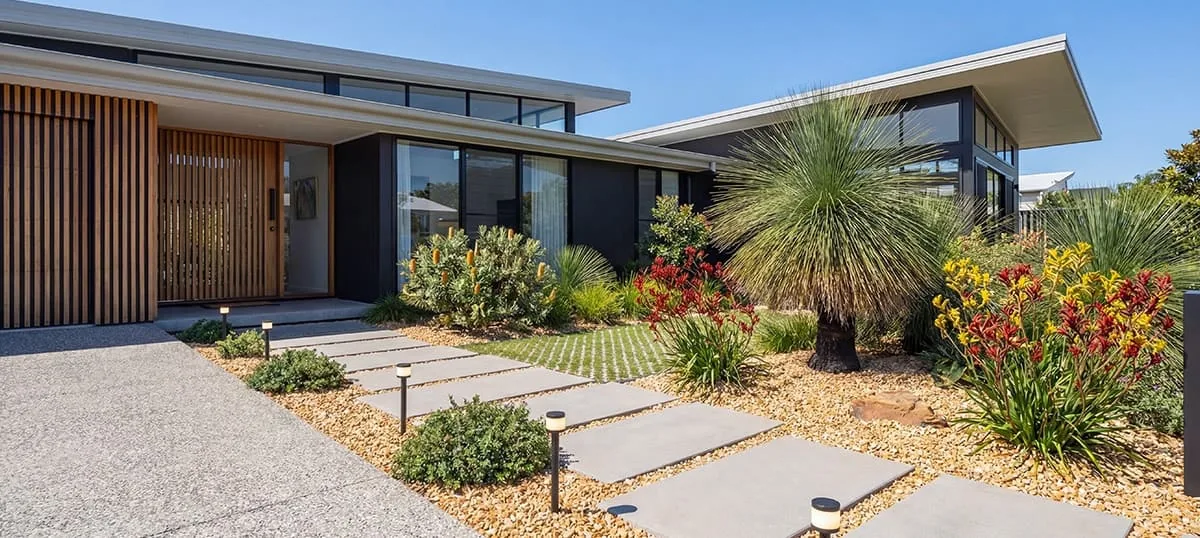
Hardscape is the built structure of a site, including pathways, paved areas, steps, retaining walls, decks and edging. It carries the loads, controls the water and defines how people move through the space, so the technical demands concentrate here.
Constructing Features
Landscape builders also construct gravel and paved areas, walls, fences, pergolas, ponds, outdoor kitchens and built in furniture. Each brings its own requirements, from footings and fixings to waterproofing and coordination with licensed electrical and plumbing trades.
Softscaping and Horticulture
Soft landscaping is where plant knowledge earns its place. You prepare soil and planting beds, select and plant trees, shrubs, hedges and bulbs, then establish lawns through topsoil spreading and either seed or instant turf.
Good horticultural practice starts below the surface. Assess the soil before you amend it, break up compaction rather than burying it under fresh topsoil, and match plant selection to aspect, soil type and climate. Native and drought tolerant species cut long term maintenance and water use. Mulch properly, keep it clear of trunks, and give new plantings a realistic establishment watering plan.
Getting the Groundwork Right
Most landscaping failures trace back to what happened before the finish went down. Water is the usual culprit.
Set falls so surface water runs away from buildings towards a designed outlet, not towards a neighbour or a low point that will become a bog. Paving and driveways need a compacted base of the right depth for the load, built up in layers rather than all at once. Skimping here produces the settlement and rocking pavers that bring you back in two years to redo the job for free.
Retaining walls deserve particular care. Beyond a certain height, or where there is a surcharge load such as a driveway above, walls require engineering design and council approval. Thresholds vary by state and council, so confirm before you quote. Drainage behind the wall, free draining backfill and correctly placed weep holes keep a wall standing, and they are the first things dropped when a job is priced too tightly.
Before any excavation, request underground service information and locate services on site. Hitting a gas main or a communications cable is expensive, dangerous and entirely preventable.
Safety on Landscaping Sites
Landscaping sits under the same work health and safety duties as any other construction work. A general construction induction card, known as the White Card, is the legal entry point for construction sites.
- Cutting pavers, blocks and concrete generates respirable crystalline silica, so use water suppression or on tool extraction and appropriate respiratory protection
- Excavation and trenching carry collapse risk, and unsupported trenches have killed experienced people
- Manual handling of pavers, blocks, soil and plant stock is the most common source of injury, so use mechanical aids and team lifts
- Anyone operating plant such as excavators, skid steers or loaders needs documented training and verification of competency
- Sun exposure and heat are daily hazards, so plan shade, hydration and rest breaks into hot weather work
Licensing Across the States
Structural landscaping work is licensed in several states, and a Certificate III in Landscape Construction (AHC30921) is commonly listed among the qualification requirements. Relevant licence classes include a structural landscaping trade contractor licence in Queensland, a structural landscaping licence in New South Wales, and domestic builder classes limited to retaining walls or structural landscape in Victoria.
Treat those as a starting point rather than a checklist. Requirements are set by the building regulator in each state and usually combine a specified qualification with documented experience, and sometimes financial or insurance conditions. Some classes call for additional units on top of the core qualification.
A qualification supports a licence application, it does not guarantee one, because the issuing authority decides against its own current criteria. Confirm the requirements with the regulator in your state before choosing a study pathway.
Career Paths
The industry keeps producing roles for skilled people, and the skills carry across into civil, building and facilities work.
- Licensed builder restricted to structural landscape. Site preparation, excavation, paving and concrete associated with landscaping, irrigation installation, and the erection of playground equipment.
- Licensed landscape construction contractor. Creating and refurbishing outdoor spaces through planting and hard landscaping such as paths, patios and decks, for residential and commercial clients.
- Landscape construction business owner. Running your own enterprise, which means quoting, scheduling, managing cash flow and building a client base as much as building landscapes.
- Landscape construction manager. The company's eyes and ears on site, confirming work matches the plan, leading the team, and coordinating with office staff and suppliers.
- Site supervisor. Managing field operations and the procurement and scheduling of labour, plant and materials to finish on budget, safely and to the agreed quality.
- Foreman. Leading a crew and subcontractors through civil, hard and soft landscaping works.
Education Pathways
Formal qualifications help you win work and hold your own with clients and builders. Common pathways include a Certificate III in Landscape Construction (AHC30921), a Certificate IV in Building and Construction (CPC40120) for those moving towards supervision, and a Bachelor of Landscape Architecture for design focused careers.
Five Steps to Move Into Landscape Construction
1. Earn a Qualification
Vocational training gives you the technical grounding and a credential clients and employers understand. It also sets up the licensing pathway if you intend to contract on your own later.
2. Complete an Apprenticeship
On the job learning turns theory into capability. Working alongside experienced people teaches you how long tasks actually take, how to read a difficult site, and how to handle a client whose expectations have drifted.
3. Gain Varied Experience
Keep building hours after your apprenticeship. Smaller jobs such as school grounds maintenance, council contracts and yard work are a solid start, and moving between residential and commercial projects broadens you faster than repeating the same job type.
4. Obtain the Licences You Need
Licensing is a legislative requirement for certain work and gives clients confidence in who they are hiring. Check what your intended scope actually requires, because the answer changes with the value and type of the job as well as the state.
5. Join a Business or Start Your Own
Work in this industry is consistent and running your own operation can be rewarding. Just go in knowing the trade skills are only half of it. Quoting accurately, managing cash flow and handling clients well keep a landscaping business alive.
Common Mistakes to Avoid
- Quoting from a photo instead of a site visit. Access, levels and soil conditions decide the price.
- Building retaining walls without confirming whether engineering or approval is required.
- Planting into compacted or contaminated fill and expecting it to establish.
- Leaving drainage until the end rather than designing it in from the start.
Where the Industry Is Heading
Technology has changed how projects are planned and sold. Computer aided design has made precise plans routine, and building information modelling has brought virtual and augmented reality into client presentations. Walking a client through their future backyard before a sod is turned reduces changes later and helps close work.
Data collection and analysis have improved alongside it, supported by machine learning tools that assist with project insights and decisions. Drone use continues to grow for site surveys, progress monitoring and inspecting how a design performs once established.
Expect continued focus on water sensitive design, permeable surfaces, locally appropriate planting and lower maintenance demands. Clients want outdoor spaces that look good and cost less to keep alive, and the builders who deliver both will not be short of work.
Want to Go Further?
Techskill Academy (RTO 45055) delivers nationally recognised construction qualifications 100 percent online, designed to fit around a working week. Visit techskill.com.au to explore the courses available in this field.
Ready to upskill?
Map a pathway that fits where you want to go next.